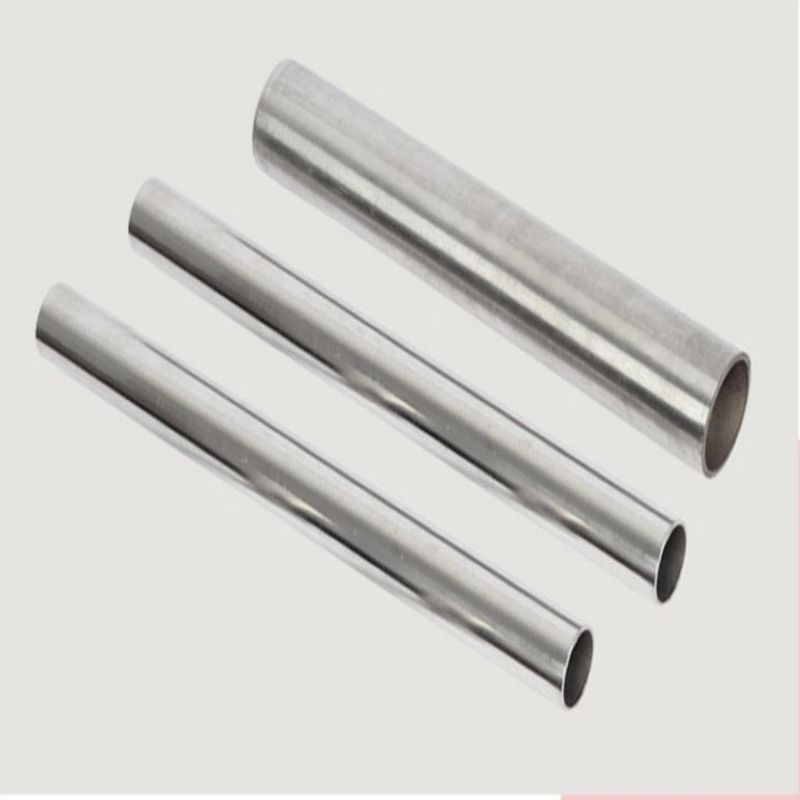
产品代码 : ME-Pt-5N-TP
Platinum and platinum alloys are used in a wide range of settings where chemical inertness or wear resistance are important, including medical devices, laboratory instruments, electrical contacts, spark plugs, and turbine engines. A platinum-iridium alloy was also used to produce the international prototype kilogram and meter in the late 19th century; of the two only the kilogram remains in official use. Finally, organometallic platinum complexes have been investigated for use in cancer treatment. Like other platinum group metals, platinum is most often obtained for commercial use as a byproduct from nickel and copper mining and processing, but can also be obtained from rare platinum-rich ores and alluvial deposits of native platinum.
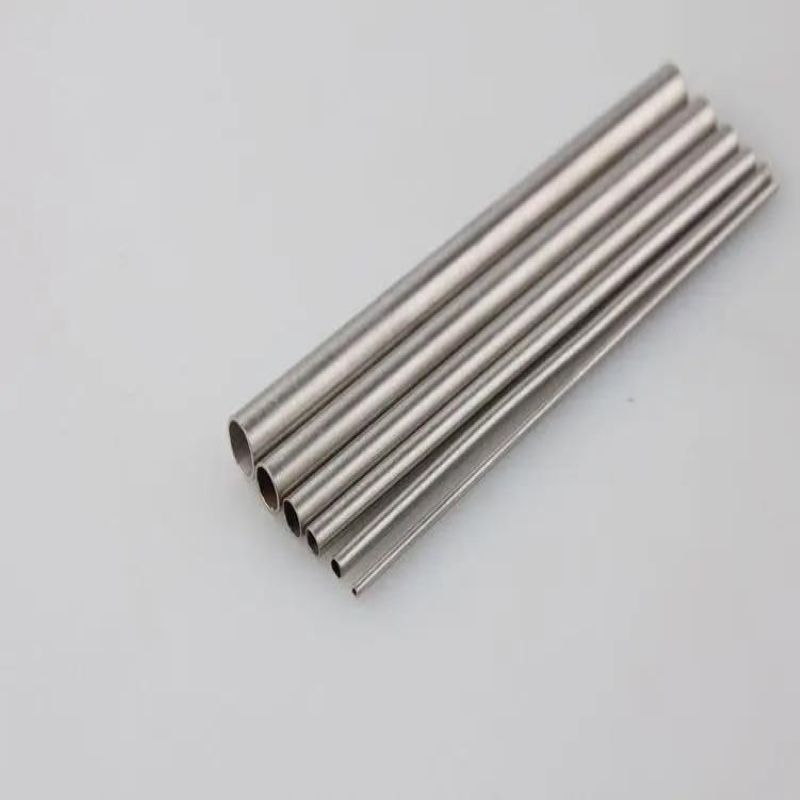
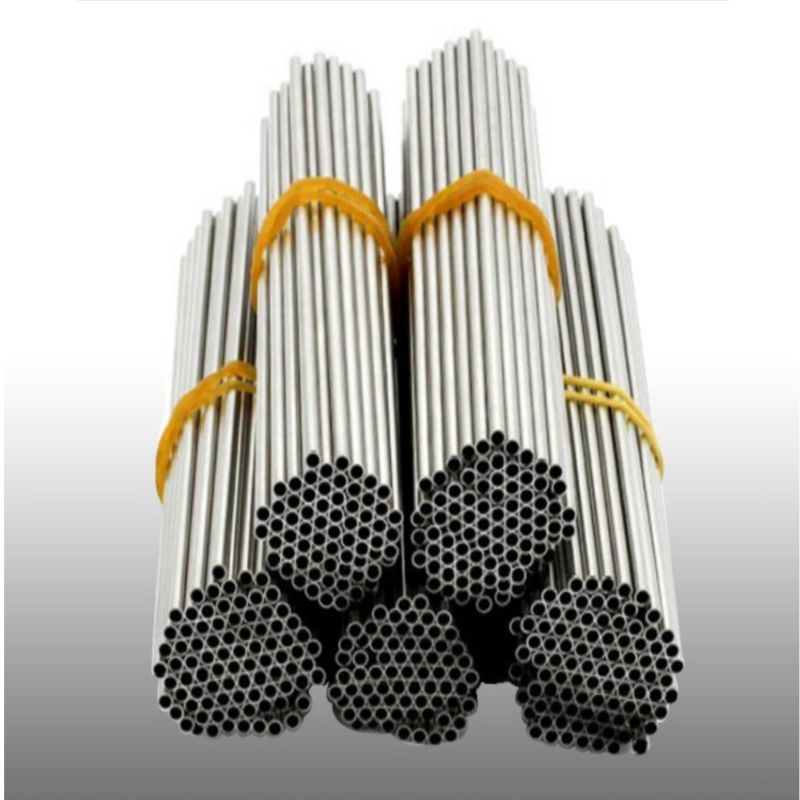
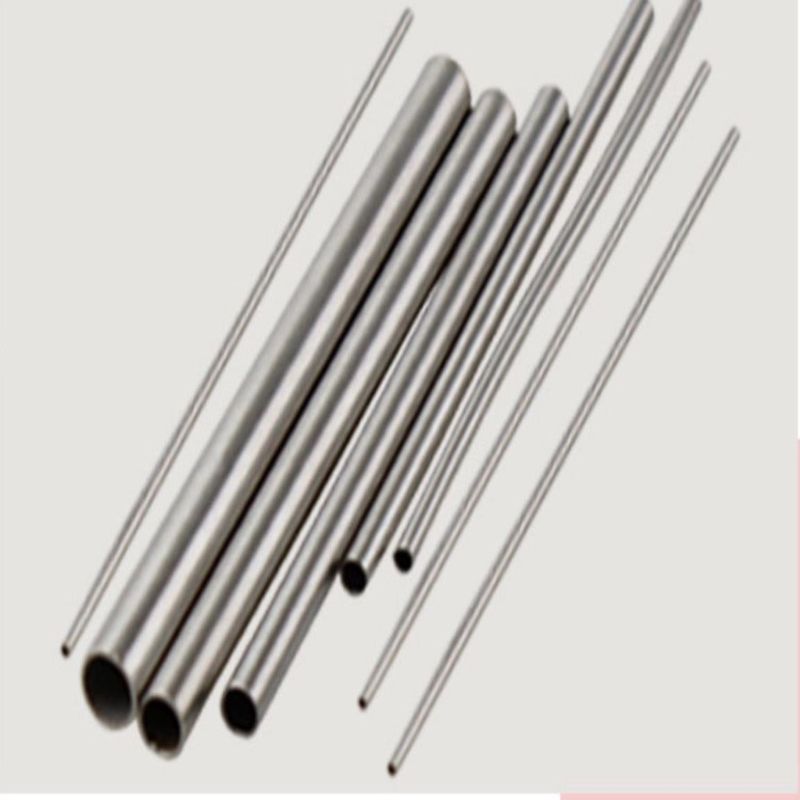
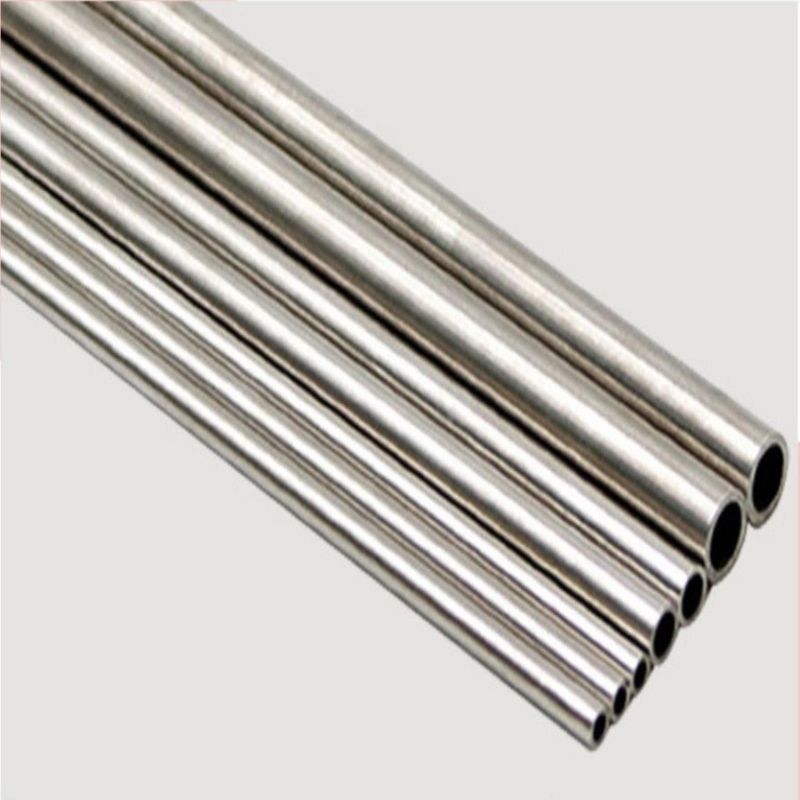
ATT can provide Platinum (Pt) Tube with various dimensions, even the Platinum Capillary Tube.
如果您需要定制服务,请联系我们。 我们将在 24 小时内与您联系并告知价格和可用性。
| 产品 | 产品代码 | 纯度 | 尺寸 | 联系我们 |
Product Information
Platinum is a transition metal with high density, extensibility, silver color, metallic luster, hardness of 4-4.5 and relative density of 21.45. The melting point is 1773℃. It is highly corrosion resistant- the metal does not oxidize in air at any temperature. Platinum is insoluble in hydrochloric acid and nitric acid, but will dissolve in hot aqua regia to form chloroplatinic acid (H2PtCl6). It is a member of the platinum group of elements and group 10 of periodic table. Platinum has the third highest density and is the least reactive metal, so it is very resistant to corrosion as gold.
Platinum and platinum alloys are used in a wide range of settings where chemical inertness or wear resistance are important, including medical devices, laboratory instruments, electrical contacts, spark plugs, and turbine engines. A platinum-iridium alloy was also used to produce the international prototype kilogram and meter in the late 19th century; of the two only the kilogram remains in official use. Finally, organometallic platinum complexes have been investigated for use in cancer treatment. Like other platinum group metals, platinum is most often obtained for commercial use as a byproduct from nickel and copper mining and processing, but can also be obtained from rare platinum-rich ores and alluvial deposits of native platinum.
ATT can provide Platinum (Pt) Tube with various dimensions, even the Platinum Capillary Tube.
Synonyms
Platinum Tube Specification
Size:customized
Production Method
After cold rolling and pressing high-purity platinum, solution annealing, mechanical drawing, forming and polishing, the platinum tube is made. The inner diameter and wall thickness can be customized according to customer requirements.
Purity:2N(99%), 3N5(99.95%), 4N(99.99%), 4N5(99.995%),5N(99.999%)
Per your request or drawing
We can customized as required
Properties(Theoretical)
| Molecular Weight | 195.08 |
| Appearance | Gray Powder |
| Melting Point | 1772 °C |
| Boiling Point | 3827 °C |
| Density | 21.45 g/cm3 |
| Electrical Resistivity | 10.58 microhm-cm @ 20 °C |
| Electronegativity | 2.2 Paulings |
| Heat of Vaporization | 122 K-Cal/gm atom at 3827 °C |
| Poisson's Ratio | 0.39 |
| Specific Heat | 0.0317 Cal/g/K @ 25 °C |
| Tensile Strength | 170 GPa |
| Thermal Expansion | (25 °C) 8.8 µm·m-1·K-1 |
| Bulk modulus | 276 GPa |
| Vickers Hardness | 549 MPa |
| Young's Modulus | 185 GPa |
| Hardness - Vickers | 100kgf mm⁻² |
| Coefficient of thermal expansion | 9.000 @0-100x10⁻⁶ K⁻¹ |
| Latent heat of evaporation | 2405J g⁻¹ |
| Latent heat of fusion | 101.00( J g⁻¹ ) |
| Melting point | 1772.0 C |
| Specific heat | 133.0 @025°C J K⁻¹ kg⁻¹ |
| Thermal conductivity | 71.60 @0-100°C W m⁻¹ K⁻¹ |
Chemical composition
Purity:3N5(99.95%)
| Element | Value | Element | Value |
| Au | 10 PPM | Si | 2 PPM |
| Pb | 1 PPM | Ir | 10 PPM |
| Rh | 10 PPM | Ag | 5 PPM |
| Cu | 10 PPM | Ca | 1 PPM |
| Mg | 1 PPM | Pd | 50 PPM |
| Na | 1 PPM | Fe | 10 PPM |
| B | 4 PPM |
Purity:4N(99.99%)
| Element | Value | Element | Value |
| Pd | 0.003 | Fe | 0.001 |
| Rh | 0.003 | Ni | 0.001 |
| Ir | 0.003 | Al | 0.003 |
| Ru | 0.003 | Pb | 0.002 |
| Au | 0.003 | Mn | 0.002 |
| Ag | 0.001 | Cr | 0.002 |
| Cu | 0.001 | Mg | 0.002 |
| Zn | 0.002 | Sn | 0.002 |
| Bi | 0.002 | Si | 0.003 |
We can customized as required
Applications of Platinum Tube
Applications for platinum are many and varied; for example, it is used to make weights and measures standards, it is used in the electronics industry for electrical contacts which might be subject to high temperatures, and it is used to manufacture electrodes which might be subject to chemical attack. A current and important use of platinum is in car exhaust catalysts, in which a ceramic honeycomb is coated with platinum. Platinum is also used to manufacture jewelry and, along with gold and silver, has its own hallmark.
Typical Applications:
Metallurgical steel, petrochemical industry, pharmaceutical chemical industry, ceramic electroplating, scientific research institutions, colleges and universities, refractories, cement building materials, geology and minerals, commodity inspection systems and various scientific research institutions. Pure platinum has good ductility and can be processed into micron filaments and foils. The thin films are prepared by electron beam heating, evaporation or sputtering.
Packing of Platinum Tube
Standard Packing:
Typical bulk packaging includes palletized plastic 5 gallon/25 kg. pails, fiber and steel drums to 1 ton super sacks in full container (FCL) or truck load (T/L) quantities. Research and sample quantities and hygroscopic, oxidizing or other air sensitive materials may be packaged under argon or vacuum. Solutions are packaged in polypropylene, plastic or glass jars up to palletized 440 gallon liquid totes Special package is available on request.
ATTs’ Platinum Tube is carefully handled to minimize damage during storage and transportation and to preserve the quality of our products in their original condition.
Chemical Identifiers
| Linear Formula | Pt |
| MDL Number | MFCD00011179 |
| CAS | 7440-06-4 |
| EC No. | 231-116-1 |
| Beilstein/Reaxys No. | N/A |
| Pubchem CID | 23939 |
| SMILES | [Pt] |
| InchI Identifier | InChI=1S/Pt |