产品代码 : FO-Ni-NN-CU
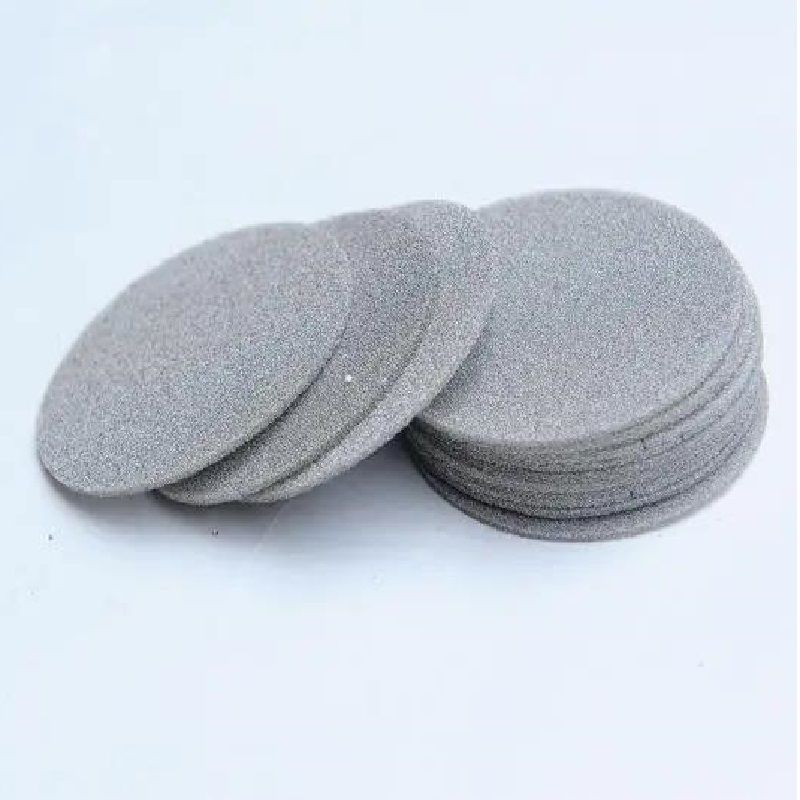
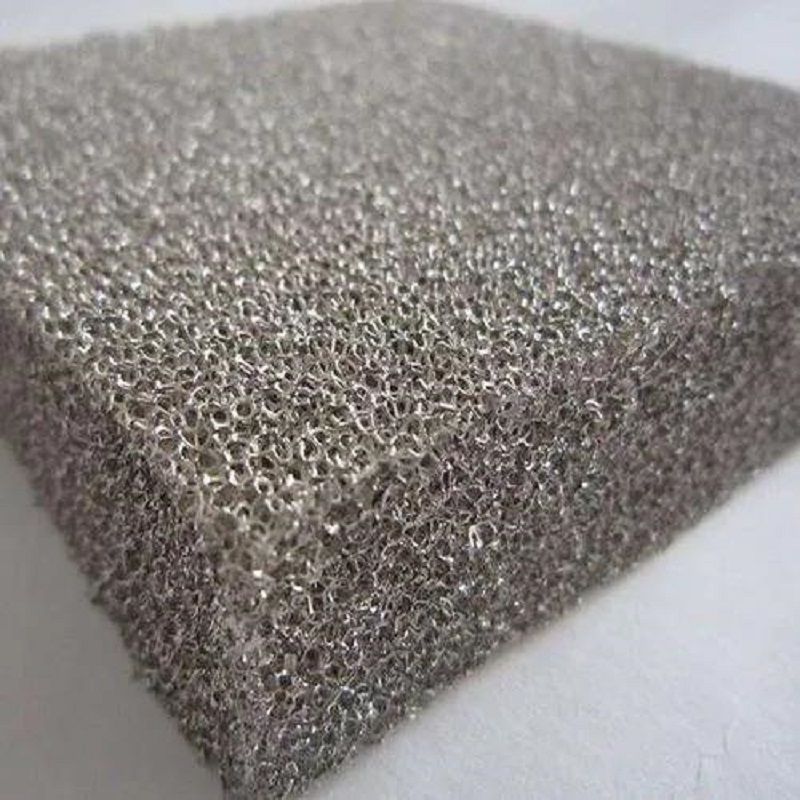
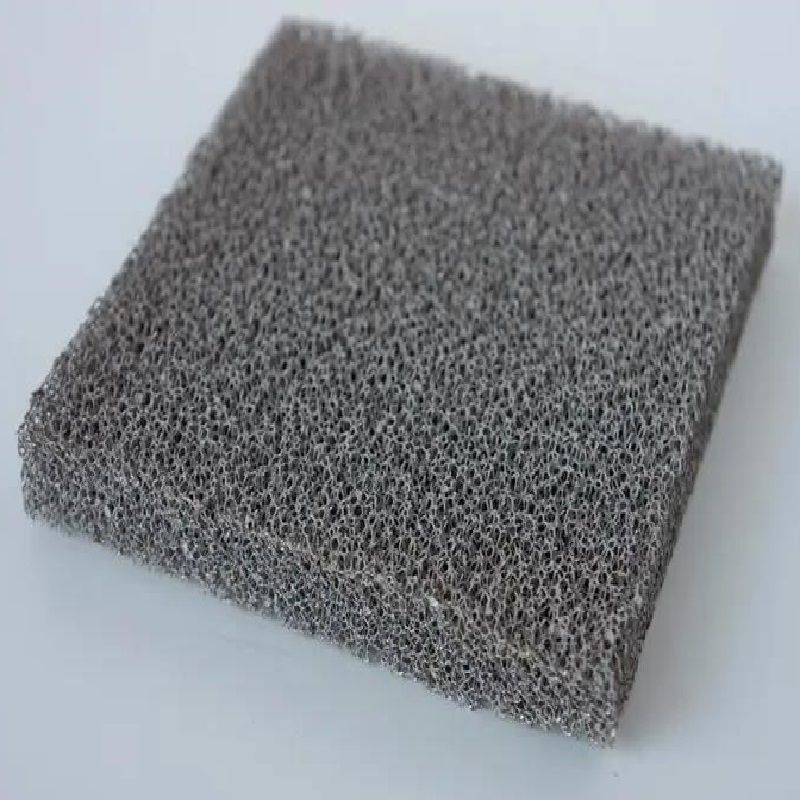
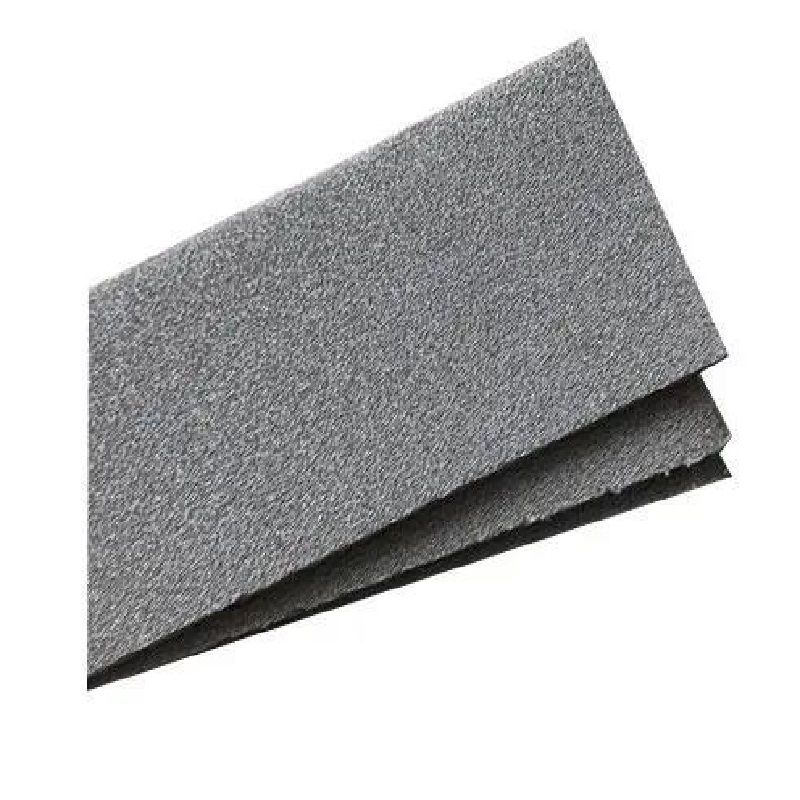
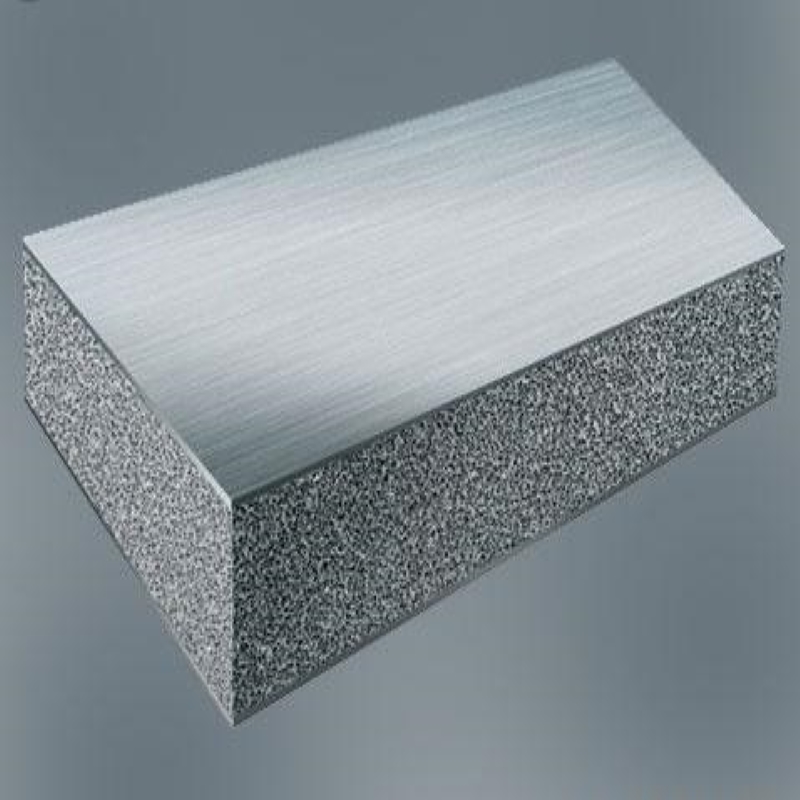
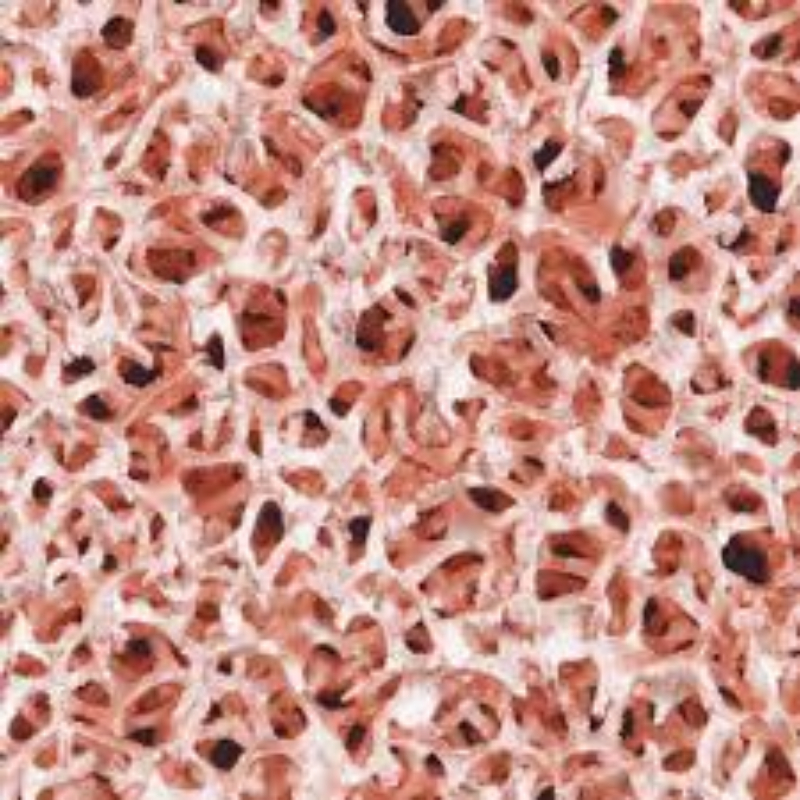
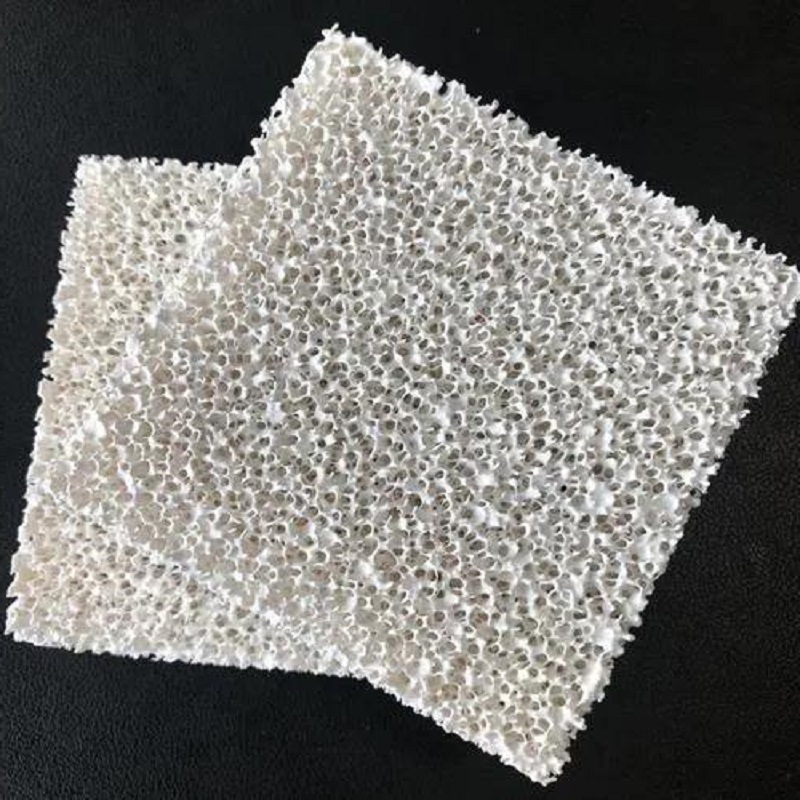
Nickel Foam has interlinked cellular structure with high porosity of > 95%. Due to high porosity, Nickel foam offers a very large surface area and is used in applications requiring large surface to volume ratio. It is popularly used as photocatalytic substrate, as an electrode in photoelectrochemical systems and for electrode develoment (Platinum coated electrodes) in Fuel cells. In all these applications, large surface area is an utmost requirement. As increased surface area enhances the rate of surface reaction thus increases the efficiency of the system. Nickel Foam also finds application in supercapacitors as a current collector. Also due to its porous structure and high strength it is also used for vibration and noise absorption applications.
如果您需要定制服务,请联系我们。 我们将在 24 小时内与您联系并告知价格和可用性。
| 产品 | 产品代码 | 纯度 | 尺寸 | 联系我们 |
Product Information
Nickel Foam has interlinked cellular structure with high porosity of > 95%. Due to high porosity, Nickel foam offers a very large surface area and is used in applications requiring large surface to volume ratio. It is popularly used as photocatalytic substrate, as an electrode in photoelectrochemical systems and for electrode develoment (Platinum coated electrodes) in Fuel cells. In all these applications, large surface area is an utmost requirement. As increased surface area enhances the rate of surface reaction thus increases the efficiency of the system. Nickel Foam also finds application in supercapacitors as a current collector. Also due to its porous structure and high strength it is also used for vibration and noise absorption applications.
Nickel Foam Specification
Dimensions
Size: customized
Per your request or drawing
We can customized as required
Properties (Theoretical)
| Molecular Weight | 58.69 |
| Appearance | Lustrous silvery metal |
| Melting Point | 1455 °C |
| Boiling Point | 2732 °C |
| Density | 8.902 g/cm3 |
| Solubility in H2O | N/A |
| Electrical Resistivity | 69.3 nΩ·m (20 °C) |
| Electronegativity | 1.91 Paulings |
| Heat of Fusion | 17.48 kJ·mol-1 |
| Heat of Vaporization | 377.5 kJ·mol-1 |
| Poisson's Ratio | 0.31 |
| Specific Heat | 0.44 kJ/kg·K |
| Thermal Conductivity | 90.9 W·m-1·K-1 |
| Thermal Expansion | 13.4 µm·m-1·K-1 (25 °C) |
| Vickers Hardness | 638 MPa |
| Young's Modulus | 200 GPa |
| Specializations | ↔ |
| Form | Sheet |
| Cell Size (PPI) | 110 PPI |
| Thickness | 1.5 mm |
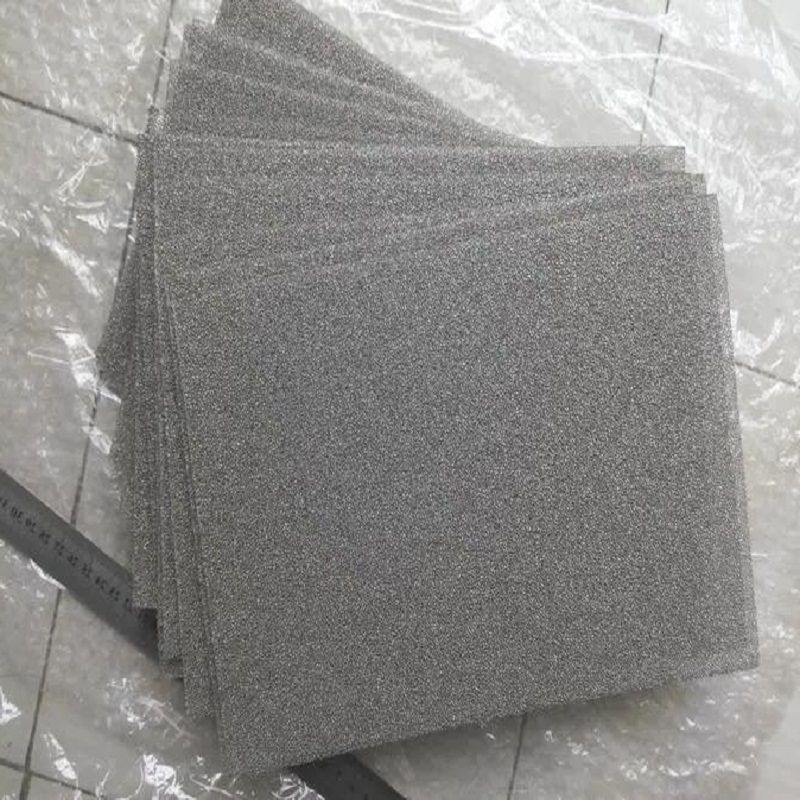
| Size & Shape | Standard: 200*300mm; customized |
| Porosity | 95%-98% |
| Mechanical Strength (Theoretical) | ≥2~7MPa |
| Tensile Strength (Theoretical) | 8~50MPa |
| Temperature Resistance (Theoretical) | ≥500℃ |
| Molecular Weight | 58.68 |
| Areal density | 350±20g/m2 |
Applications of Nickel Foam
Nickel foam can be used as carrier material for exhaust gas purifiers, battery electrode materials, various catalyst carriers, especially for filter materials requiring high-temperature resistance and acid and alkali corrosion, surface layer materials of infrared burners, and heating materials for various industrial and civil drying equipment.
In the field of chemical power supply, it is applied to nickel-hydrogen, nickel-cadmium, fuel cell, and other foam-nickel positive and negative electrodes to double the performance of the battery. The foamed nickel-carbon composite electrode material is an ideal material for lithium batteries.
In the field of chemical engineering, it can be used as a catalyst and catalyst carrier, a filter medium, a medium in a separator (such as a water separator, an automobile exhaust gas purifier, an air purifier, etc.), because of its large specific surface area, it can reduce energy consumption. Improve efficiency.
In the field of electrochemical engineering, it can be used to improve hydrogen efficiency, electrocatalytic process, electrochemical metallurgy, etc., which can significantly improve energy efficiency.
In the field of thermal engineering, it can be used as both a damping material and a high-efficiency heat-conducting "wick" material for "heat pipes" to double the efficiency.
In the field of functional materials, it can be used as a damping material to absorb wave energy; silencing, vibration absorption, buffer electromagnetic shielding, stealth technology, flame retardant, thermal insulation, etc.
It can also be used as rectification tower packing, condenser heat exchange material, chemical catalyst carrier material, power battery electrode material, industrial filter material, high-grade decorative material, and industrial filter.
Packing of Nickel Foam
Standard Packing:
Typical bulk packaging includes palletized plastic 5 gallon/25 kg. pails, fiber and steel drums to 1 ton super sacks in full container (FCL) or truck load (T/L) quantities. Research and sample quantities and hygroscopic, oxidizing or other air sensitive materials may be packaged under argon or vacuum. Solutions are packaged in polypropylene, plastic or glass jars up to palletized 440 gallon liquid totes Special package is available on request.
ATTs’ Nickel Foam is carefully handled to minimize damage during storage and transportation and to preserve the quality of our products in their original condition.
Chemical Identifiers
| Linear Formula | Ni |
| MDL Number | MFCD00011137 |
| CAS # | 7440-02-0 |
| EC No. | 231-111-4 |
| Beilstein/Reaxys No. | N/A |
| Pubchem CID | 935 |
| SMILES | [Ni] |
| InchI Identifier | InChI=1S/Ni |
| InchI Key | PXHVJJICTQNCMI-UHFFFAOYSA-N |